Wise Woman of Tekoa
Wise Woman of Tekoa 2 Samuel 14:1-20
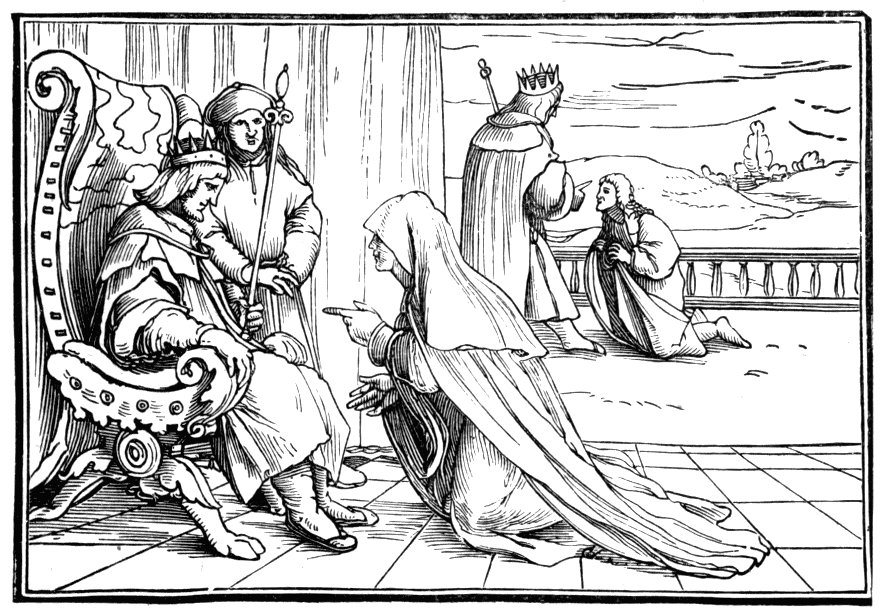
“The Woman of Tekoa,” by Hans Holbein the Younger. Photo from Wikimedia Commons.
Even before there were kings in Israel, there were women leaders. During the time of the Exodus, Miriam led the Israelites alongside her brothers. Under Deborah’s judgeship, the land and its people prospered. After Israel shifted to monarchical governance, villages and towns still looked to their wise women for guidance. While we know very little about who these women were, two of their stories are preserved: the wise woman of Tekoa (2 Samuel 14) and the wise woman of Abel Beth-Maacah (2 Samuel 20).
The wise woman of Tekoa appears in 2 Samuel, three years after King David’s son Absalom fled Jerusalem. Absalom left the city after murdering his half-brother Amnon, who sexually assaulted their sister Tamar. Joab, King David’s military commander, concocts a plan to reunite father and son.
At Joab’s instruction, an unnamed wise woman dresses in mourning clothes and asks David for help. She tells him she’s a widow and one of her sons has killed the other. Now her family wants her living son to be put to death, leaving her with no children and her deceased husband with no heir.
After hearing her story, King David says her sons should not be put to death. The wise woman then reveals her true purpose, telling David that “in giving this decision the king convicts himself” (2 Samuel 14:13).
The woman’s words force David to recognize the wisdom of his own advice. Absalom is sent for, and father and son are reconciled for the next four years.
That both the woman of Tekoa and the woman of Abel are designated “wise” has led to speculation that a wise woman’s role was as a leader or elder in her community.
The prophet Amos was from Tekoa, a village associated with olive trees.
The woman did not have to travel far to see King David in Jerusalem; Tekoa was only ten miles from Jerusalem.
List of Reading & Resources:
Books: